


Parents still picture casting offices with printers churning out headshots and résumés on thick cardstock. That image is outdated. Industry professionals now open LinkedIn profiles before they open envelopes. They want to see a timeline of credits, a verified network of connections, and a professional history that updates itself.

Parents often hand their child a script and expect them to read it, understand the character, and deliver a performance. That works for some kids. But many young actors are visual learners. They need to see what their character looks like, where they live, what they wear, and how they move before the words on the page come alive.

Parents hear casting directors say they want authentic kids. They hear agents say relatability sells. Then they watch their child scroll through Instagram and see young performers posting messy bedrooms, crying selfies, and chaotic morning routines. The message seems clear. Be real. Be messy. Be human. But there is a trap hidden in that advice.
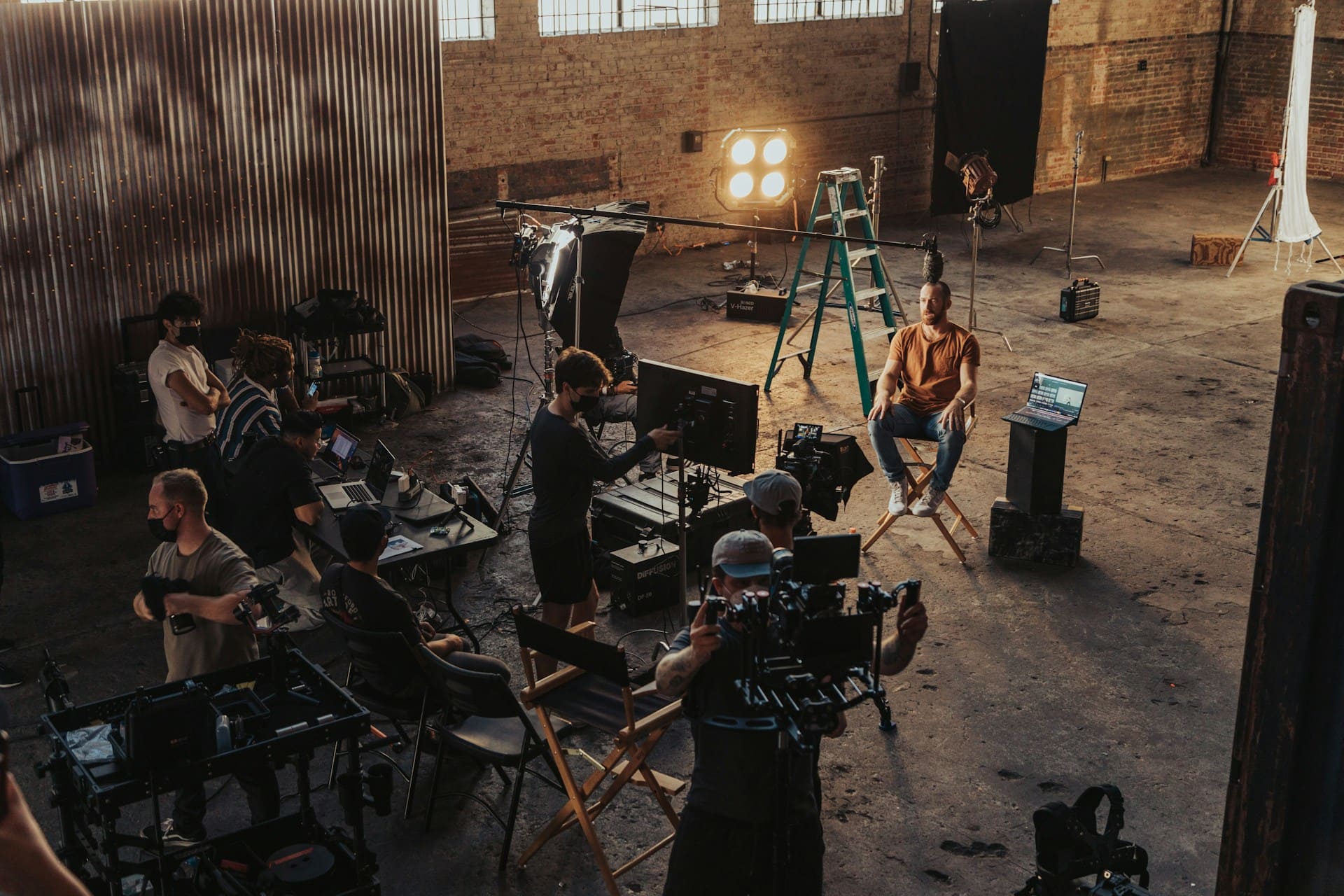
Parents assume the callback decision is based on the audition. It is not. By the time your child gets a callback call, the casting office has already done homework. They have typed your child's name into Google. They have scrolled through social media. They have checked what comes up when they search the family.

Parents still think casting decisions start with a headshot and a résumé. That used to be true. Now the first impression usually happens on Instagram. A casting director receives a submission, opens the profile, and scrolls through the grid before they ever watch a self-tape or read a credit list. What they see in those thirty seconds determines whether your child gets serious consideration or gets passed over.