

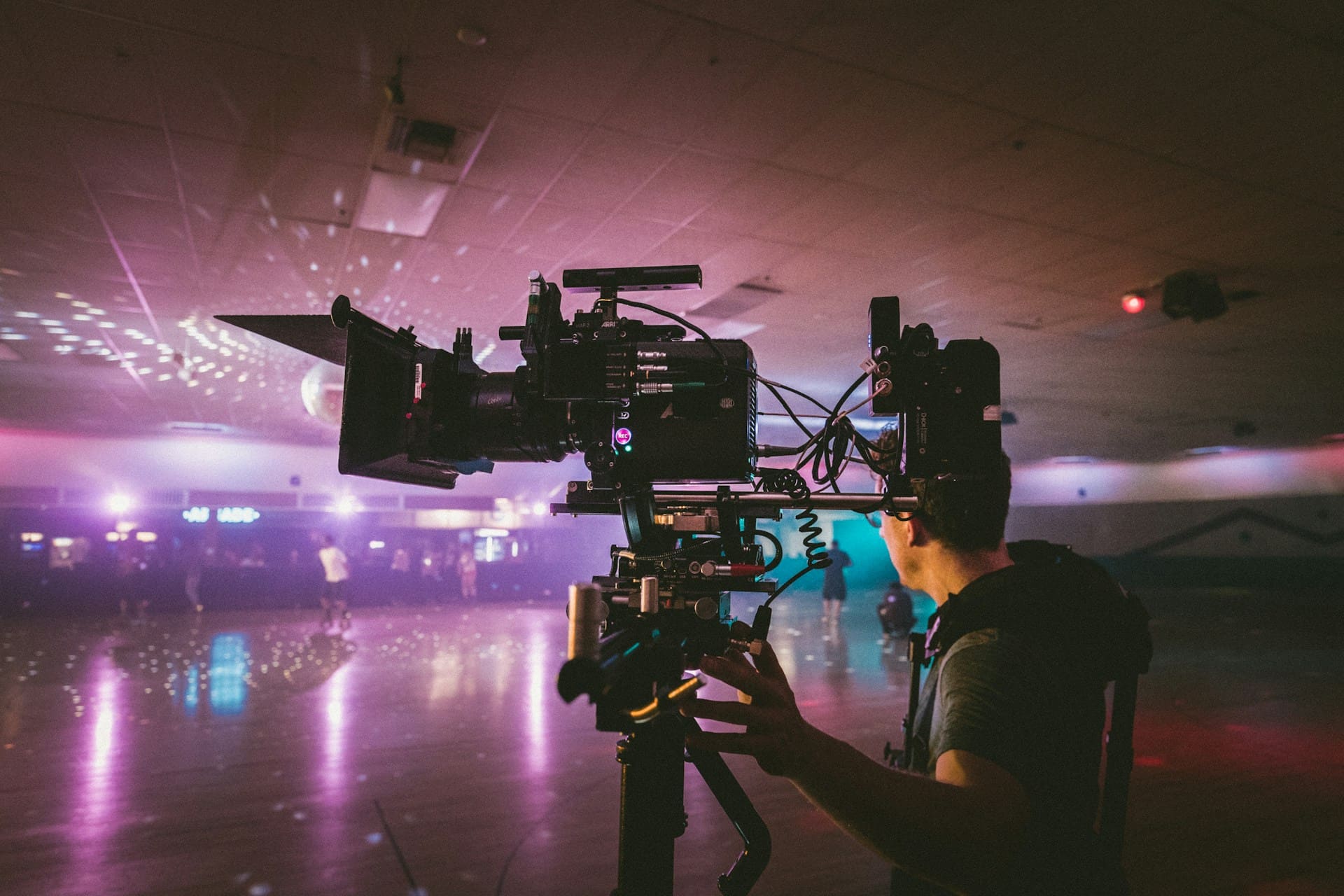
Every punch, kick, throw, and fall you see in movies and television is carefully planned, rehearsed, and executed by professionals who specialize in making violence look real without causing harm. This is called stage combat or fight choreography. For young actors, learning stage combat is one of the most valuable skills they can develop. Action films, superhero stories, historical dramas, and even teen dramas require characters to fight. A young actor who can execute a clean fight scene is an actor who can work in almost any genre. But fight choreography is not about learning to fight. It is about learning to pretend to fight with the precision of a dancer and the safety consciousness of an engineer.

Every time you watch an actor take a bite of pizza, sip coffee, or share a romantic dinner on screen, you are watching a carefully managed technical performance. Eating on camera is one of the most common activities in film and television, and it is also one of the most difficult to execute well. Young actors often assume that eating scenes are easy because eating is something they do every day. The reality is that eating on camera requires timing, control, and technique that most people never develop in normal life. A bite taken at the wrong moment can ruin a take. Chewing with the wrong rhythm can distract from dialogue. Swallowing at the wrong time can create an audio nightmare for the sound department. Professional actors treat food scenes with the same discipline they bring to stunts or emotional monologues.
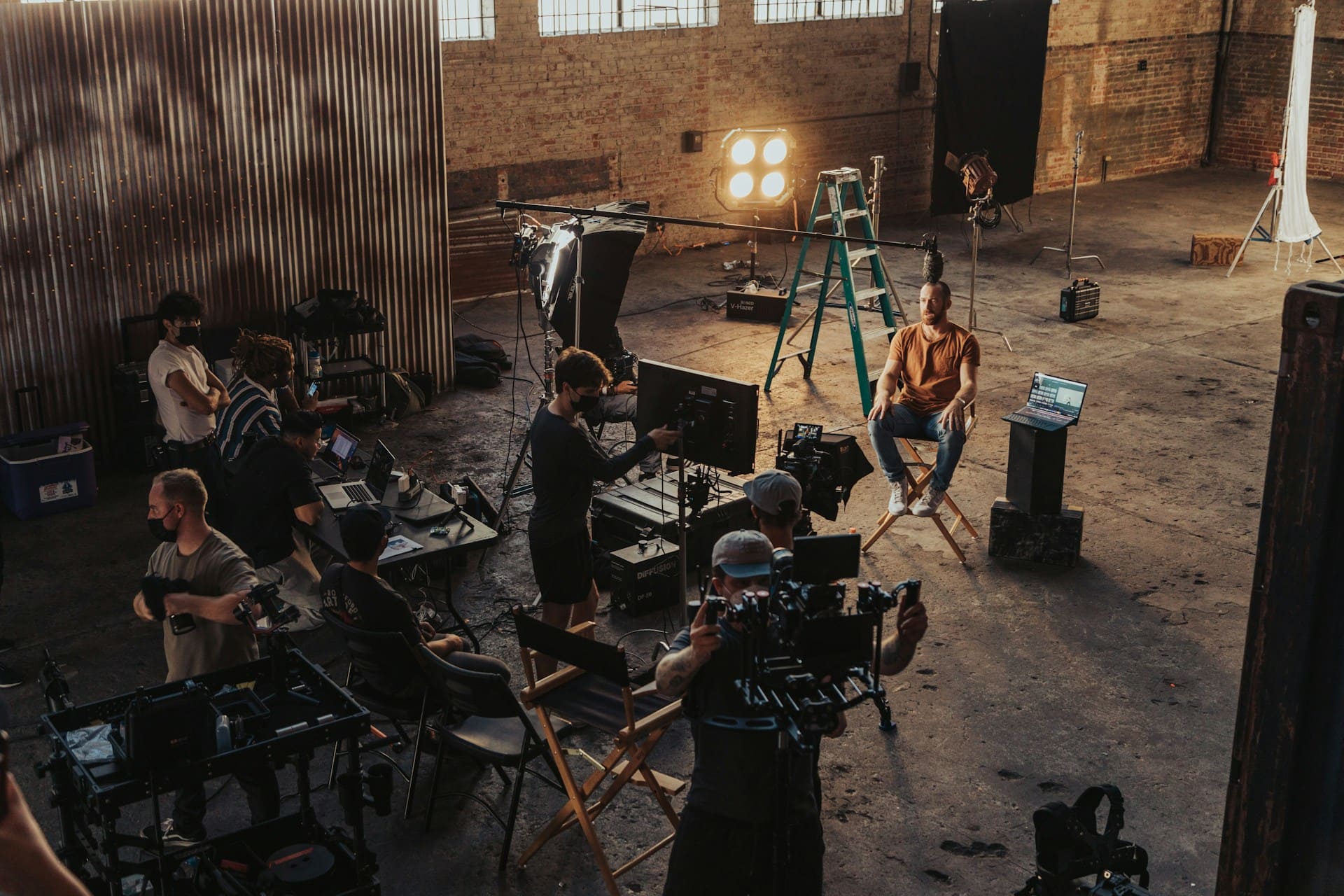
The ability to cry on command is one of the most admired skills in acting. Audiences are moved by real tears. Directors are impressed by actors who can deliver emotional intensity on cue. Casting directors often ask young performers to cry during auditions to test their emotional range. But crying on cue is not a magical gift that some people are born with and others lack. It is a technical skill that can be learned, practiced, and refined. Young actors who understand this truth can stop feeling inadequate about their emotions and start training their emotional instrument the same way they train their voices and bodies.

Fantasy has been around since humans first told stories around fires. Dragons, wizards, enchanted forests, and magical children are not modern inventions. They are ancient archetypes that speak to something deep in the human imagination. But performing fantasy for a camera is a relatively new challenge. A young actor in a fantasy production must convince an audience that magic is real, that mythical creatures exist, and that a child can wield powers that defy physics. They must do this while standing on a green screen stage, holding a prop wand, and talking to a tennis ball that represents a dragon. The gap between what the actor sees and what the audience will see is enormous. Bridging that gap is the entire job.

The entertainment industry has changed dramatically over the past decade when it comes to scenes involving physical closeness, emotional vulnerability, and any form of simulated intimacy. What used to be handled informally between actors and directors is now governed by trained professionals called intimacy coordinators. These specialists design, choreograph, and oversee every moment where actors touch, embrace, kiss, or engage in physical vulnerability. For teen and young adult actors, this development is especially significant. Young performers need advocates who understand their developmental stage, their legal protections, and their emotional safety. An intimacy coordinator is not a luxury on modern sets. They are a requirement for productions that want to protect their cast and their reputation.