

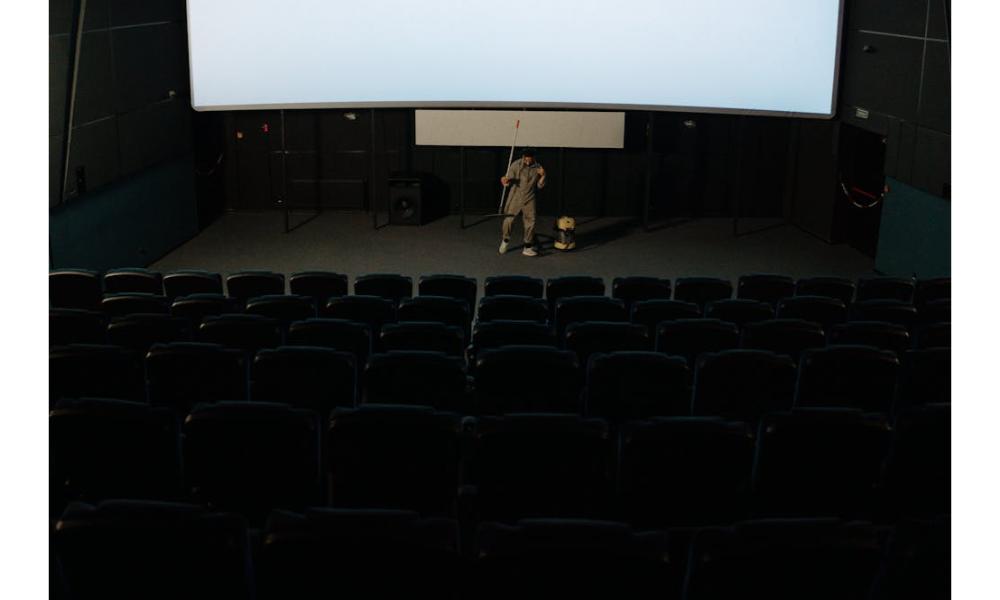
Commercial and theatrical acting represent distinct professional worlds with separate skill requirements, casting processes, and career trajectories.

The slate, that brief introduction before your actual audition performance, often determines whether casting directors pay attention to what follows. These five seconds can make the difference between being remembered and being forgotten.

The ages between 10 and 13 represent one of the most complex developmental periods for young performers. Physical changes, social pressures, and shifting self-concept create unique training needs that generic acting programs often fail to address.

The entertainment industry has discovered that audiences crave authentic senior representation. This demographic shift creates unprecedented opportunities for mature performers entering acting careers later in life, with casting demands exceeding available talent supply.
Parents increasingly ask whether formal acting classes benefit preschool-aged children or if this represents premature pressure. Understanding developmental psychology and age-appropriate creative education helps families make informed decisions about early arts participation.